Digital Stories

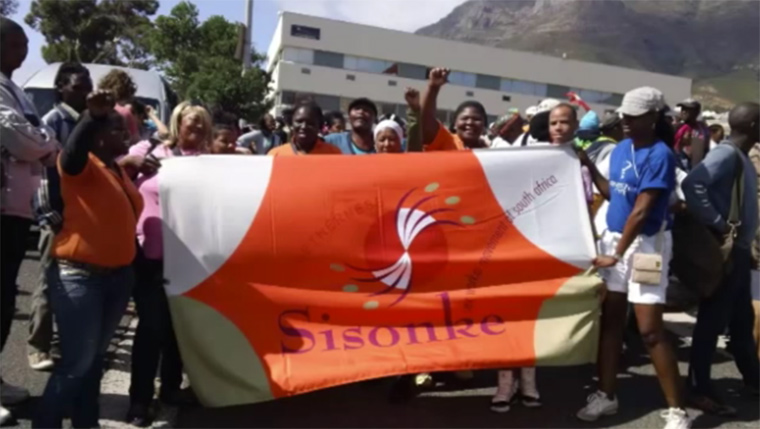
Crucial to the success of Sonke's work is ensuring a central role for those most directly affected by violence and HIV. A platform is required for their voices to inform our efforts and be represented across Sonke activities.

We all have stories to tell about our lives. Through sharing andlistening to such stories, we come to know each other, our communities,our world, and ourselves. Stories can inspire us, educate us, and moveus deeply. As a result of being touched by someone else’s story, wemake connections between their circumstances and our own. When it comesto confronting complex social issues, these connections can help usto bridge the vast differences that often divide us and instead actwith wisdom, compassion, and conscience.

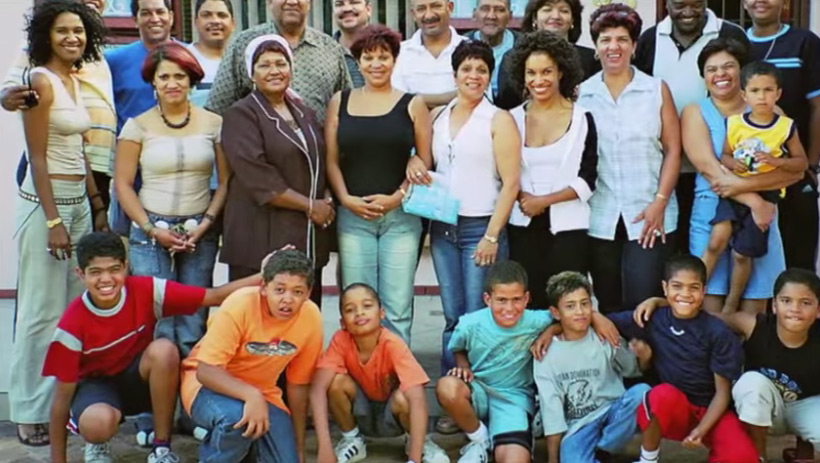
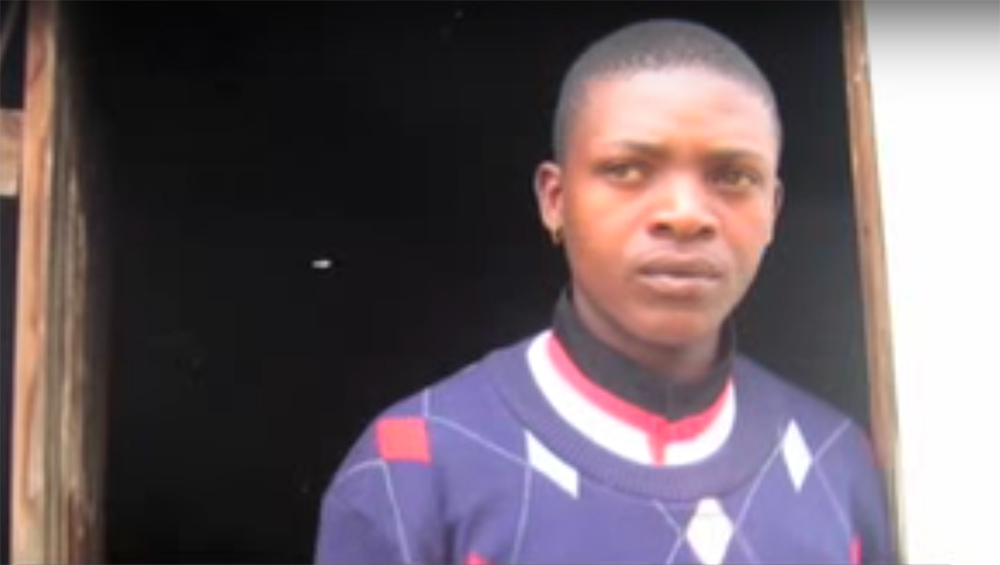
Sonke Gender Justice and the Silence Speaks digital storytelling  initiative are working together to enable young people andadults affected by violence and HIV and AIDS to share their stories.From cities to rural villages, the project offers participants a rareopportunity to talk about their own experiences and bear witness to thelives of others, in a supportive setting. Through intensive,participatory video production workshops, we are bringing rarely-heardvoices and images into the civic arena. Our hope is to deepen existingconversations about gender norms and the spread of these twinepidemics, by highlighting everyday stories.

what can digital stories accomplish?

Stereotyped representations of sub-Saharan African men, women, and therealities of gender-based violence abound in popular media. The Sonkedigital stories strive to offer an alternative vision, one thatemphasizes the importance of reflection, hope, and a commitment toaction for social change. Some of the stories are raw testimonials about survival;others challenge misperceptions about men and masculinity and offerexamples of the role both men and women are playing in confrontinggender inequality and other forms of injustice.

By exploring the personal life histories of young and adult men andwomen who are taking a stand against violence and exposing itsconnection to the spread of HIV and AIDS, the stories are a crucialtool in Sonke’s work. Activists are screening them with carefulfacilitation across South Africa, as a way of educating localcommunities, training service providers, influencing policymakers, andpromoting broadbased civic engagement.